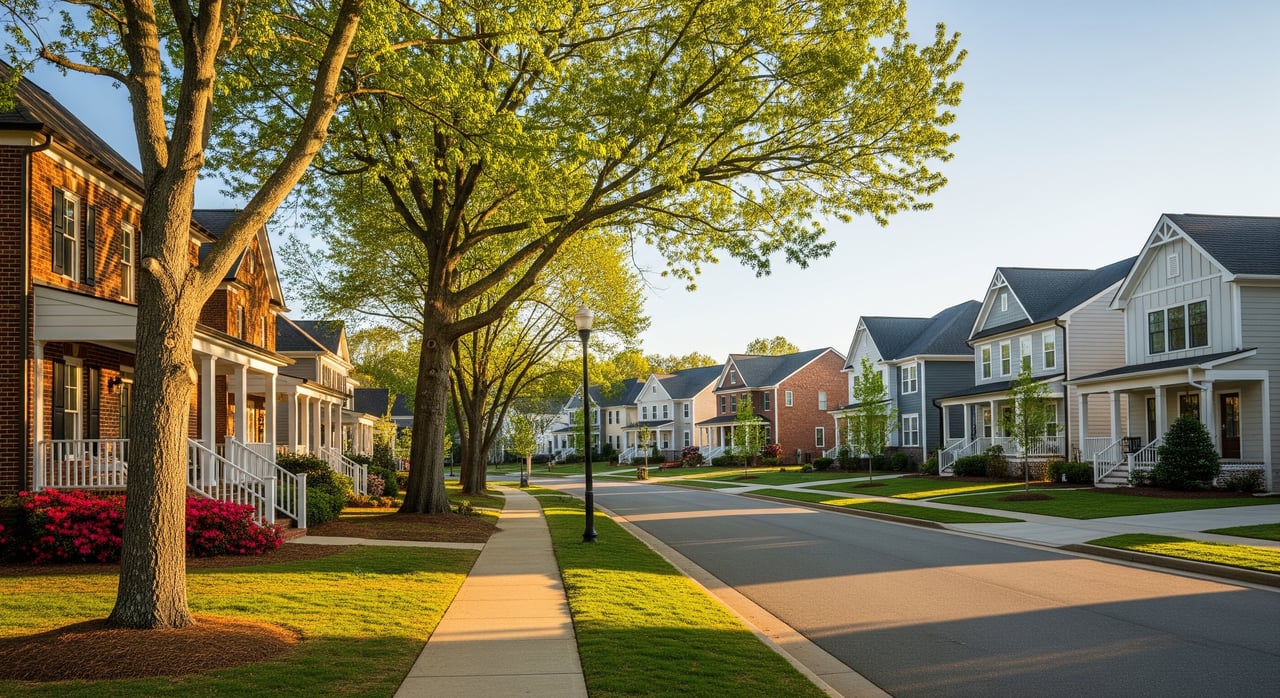
Trying to choose between a leafy, character-filled street near downtown and a fresh, amenity-packed neighborhood with a pool and clubhouse? You are not alone. In Fuquay-Varina, both options are popular, and each offers a different daily rhythm, cost profile, and long-term tradeoffs. In this guide, you will learn how established areas compare to newer planned communities so you can tour with purpose, spot hidden costs, and feel confident about your next move. Let’s dive in.
What makes an established area
Established Fuquay-Varina neighborhoods include the historic downtown core and older suburbs that grew from the mid-20th century through the 1990s. Development happened street by street, which gives these pockets a more organic feel.
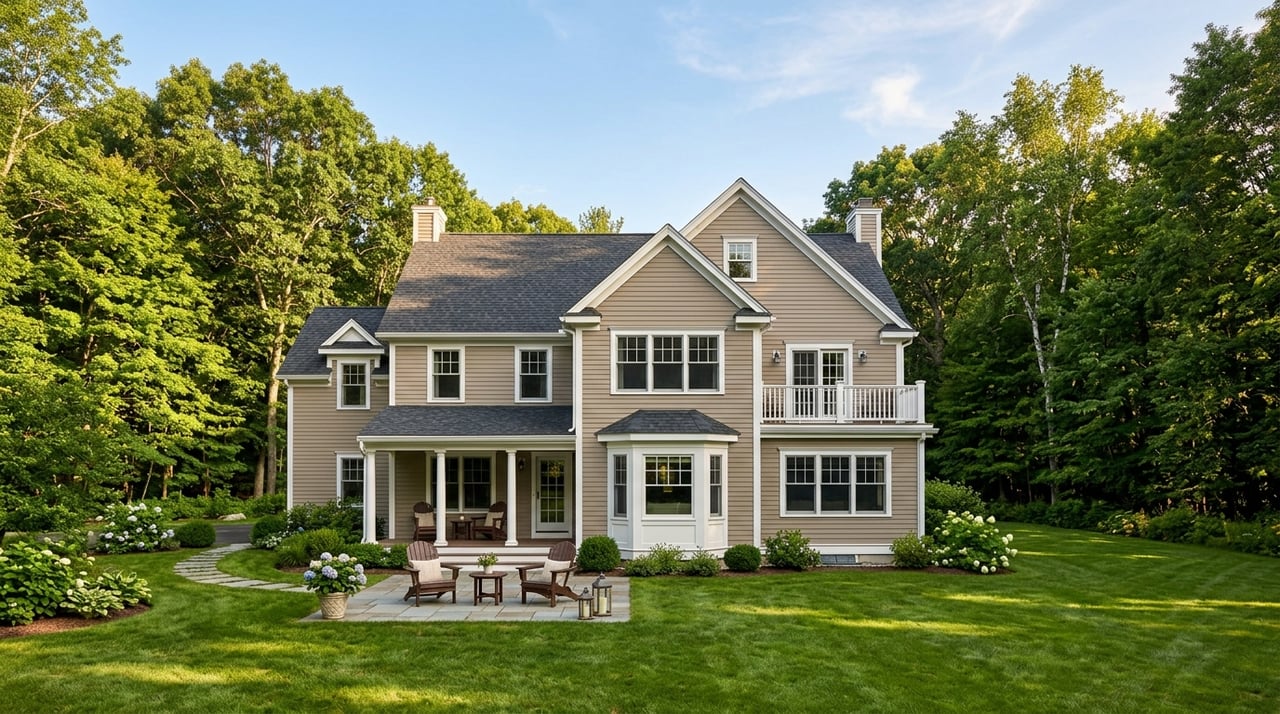
You typically see cottages, bungalows, ranch homes, and traditional two-story houses with period details. Think front porches, original hardwoods, and trim that adds warmth. Lots are often smaller near downtown, with narrower frontages, while older suburban streets can offer quarter to half-acre lots. Mature trees and landscaping create shade and privacy, and lot shapes can be irregular.
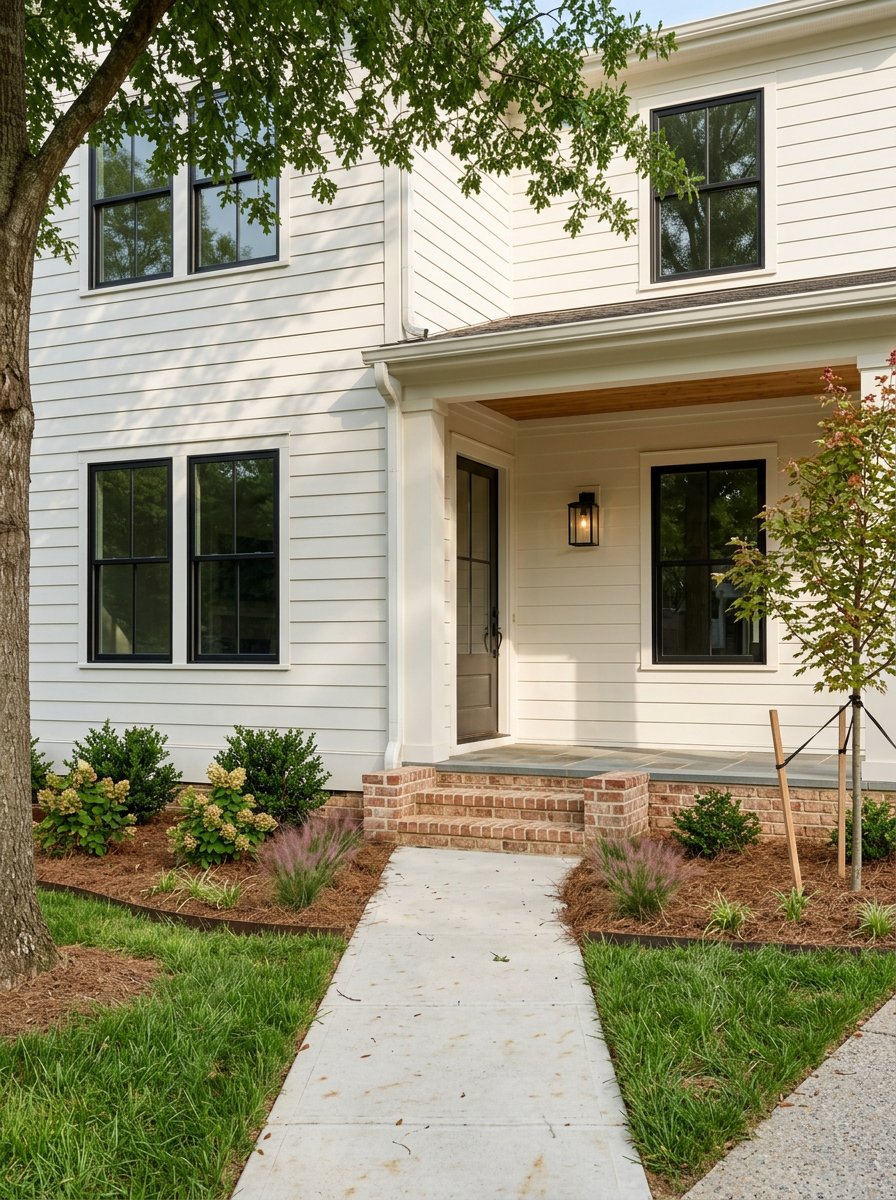
Street patterns closer to downtown are often gridded and walkable, with sidewalks and proximity to shops, restaurants, and parks, including the Mineral Spring area. Many established neighborhoods have no HOA or only minimal covenants, which lowers ongoing fees and gives you more flexibility with exterior choices. The tradeoff is upkeep. Systems like roofing, HVAC, windows, and plumbing may be older and due for replacement.
What defines a newer planned community
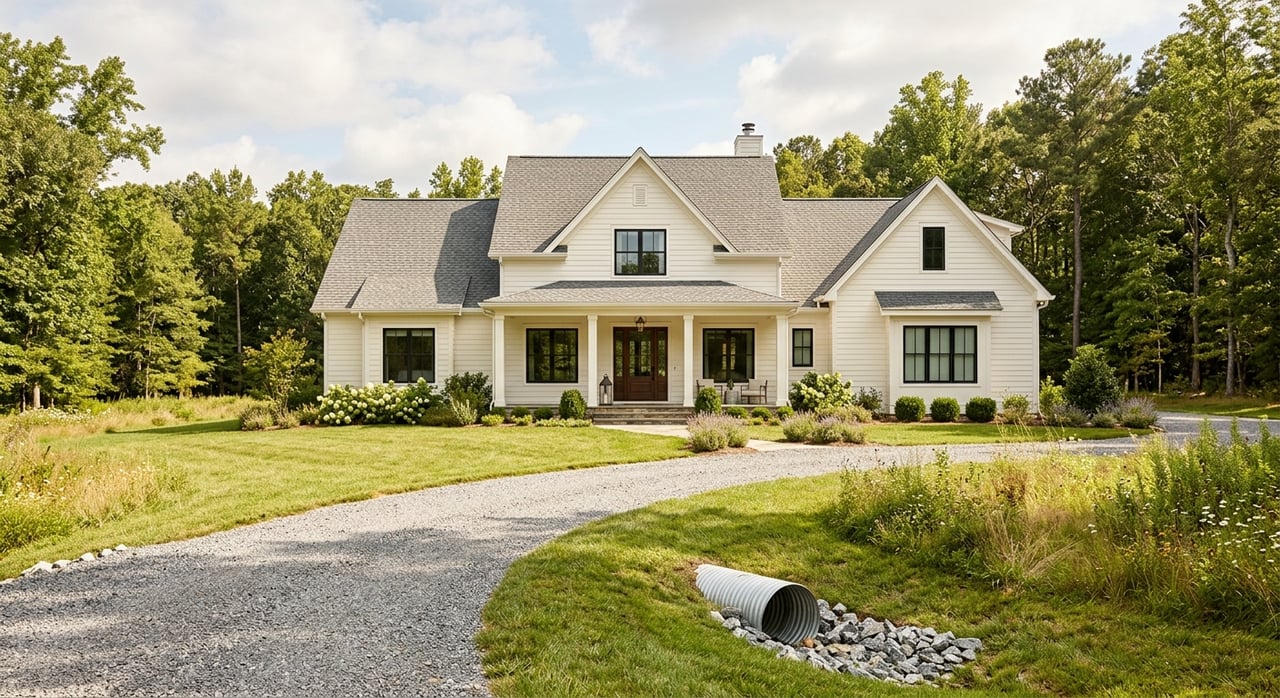
Newer planned communities in Fuquay-Varina were built primarily from the 1990s forward, with a big wave since the 2000s and 2010s. National and regional builders planned these neighborhoods as cohesive environments with amenities and consistent streetscapes.
Homes commonly feature modern layouts with open kitchens, larger garages, energy-code-compliant construction, and contemporary Craftsman or Traditional exteriors. Lot sizes vary by product line. Many communities offer lower-maintenance yards on narrower lots, while some include larger or estate-style lots.
Amenities are a hallmark. Pools, clubhouses, playgrounds, walking trails, sports courts, and dog parks are common. HOAs maintain common areas and enforce design standards. You gain turnkey living, community features, and newer systems, but you accept HOA fees and rules. If the community is still building out, you may also live near ongoing construction for a period of time.
Side-by-side lifestyle comparison
Character and aesthetic
- Established: Unique homes, mature trees, and eclectic streetscapes.
- Newer: Cohesive designs and model-home finishes that feel move-in ready.
Lot size and outdoor space
- Established: Downtown-adjacent lots run smaller; older suburbs may offer quarter to half-acre parcels and irregular shapes.
- Newer: Yard size ranges widely by builder and section, from compact to estate lots, with newer landscaping.
Privacy and noise
- Established: More mature vegetation for buffering, and some older suburbs have greater separation between homes. Downtown areas are more active but walkable.
- Newer: Denser sections with smaller yards and active amenity hubs that draw neighborhood traffic.
Amenities and community life
- Established: Close to downtown parks, markets, and restaurants with informal social rhythms.
- Newer: On-site pools, clubhouses, trails, and HOA or builder-organized events.
Cost positioning and value
- Established: Potential value tied to character and proximity to downtown, with renovation budgets to plan for.
- Newer: Often higher price per square foot for newer systems and amenities. Builder incentives can affect the final purchase price.
Maintenance and ongoing costs
- Established: Lower or no HOA fees, but higher near-term repair or upgrade needs are common.
- Newer: Regular HOA fees, with lower immediate maintenance and builder warranties.
Resale considerations
- Established: Strong appeal for buyers who value charm and location; strategic renovations can boost value.
- Newer: Broad appeal for buyers prioritizing amenities and modern layouts; resale can be influenced by neighborhood saturation and builder reputation.
Commute and location factors in Fuquay-Varina
Fuquay-Varina sits within commuting range of Raleigh, Research Triangle Park, and other Wake County job centers. Your route and drive time can influence neighborhood choice. Established areas near downtown help you stay close to local shops and parks, while newer communities are often positioned with planned road connections and internal sidewalks.
When you compare neighborhoods, map your morning and evening routes, note traffic patterns on key arterials, and consider proximity to future commercial development. These factors can affect daily convenience, noise, and long-term value.
What to check on tours: established areas
Use this checklist to focus your walk-through and questions.
Exterior and site
- Look for tree-root impacts on driveways or sidewalks.
- Confirm drainage slopes away from the foundation and note any pooling.
- Ask about roof age and the condition of gutters and downspouts.
Systems and structure
- Request ages of HVAC units, water heater, and any electrical or plumbing upgrades.
- Ask about insulation levels and windows.
- In very old homes, inquire about older electrical types, panel capacity, and any prior remediation.
Renovation potential
- Evaluate ceiling heights, likely load-bearing walls, attic access, and duct runs.
- Identify space to expand a kitchen or open the main living areas.
Location details
- Note distance to downtown streets and parks and observe on-street parking norms.
- Listen for noise from thoroughfares at different times of day.
Historic details and condition
- Inspect original windows, trim, and hardwood floors; get realistic restoration costs.
Soil and drainage
- Look for signs of settling, erosion, or foundation stress, especially on tree-lined lots.
What to check on tours: newer planned communities
Newer neighborhoods offer convenience and amenities. Verify the details that protect your investment.
Lot and grading
- Confirm finished grading, setbacks, and the long-term drainage plan.
- Check proximity to future phases or active construction.
Builder warranty and documents
- Request warranty start date, coverage terms, and transferability.
- Clarify what is covered structurally versus cosmetically and for how long.
HOA documents and fees
- Review CC&Rs, rules, and the current fee schedule.
- Ask about reserve funds and whether any special assessments are planned or have occurred.
Amenities and access
- Confirm opening dates, maintenance schedules, pool access policies, and guest rules.
Construction quality
- Ask about materials, insulation and window ratings, and any third-party inspections.
- Review HVAC equipment and ductwork details.
Noise and traffic
- Note nearby arterial roads and any planned commercial sites that could affect activity levels.
Costs, HOAs, and maintenance
In many established areas, you may avoid monthly HOA fees entirely or pay minimal dues, which helps your budget. Expect to allocate more for repairs and upgrades as systems age. Planning a renovation and getting contractor input early can reduce surprises.
In newer planned communities, you will usually pay HOA dues that support amenities and common-area maintenance. In return, you get newer systems, energy-code-compliant construction, and builder warranties. Read HOA rules to understand exterior standards, paint colors, fencing, and landscape requirements.
Resale and value outlook
Buyers who love character, mature trees, and proximity to the historic core tend to seek out established areas. Thoughtful updates can drive appreciation. Newer communities draw buyers who want modern layouts, neighborhood events, and recreation on site. Resale strength can depend on how many similar homes are competing at the same time and how the broader neighborhood has matured.
Location within Fuquay-Varina also matters. Proximity to parks, town amenities, and schools can influence demand and pricing. Larger or more private lots often command premiums across both neighborhood types.
Common pitfalls to verify before you write an offer
Unfinished phases
- If the community builds in phases, verify timelines for amenities and future construction near your lot.
CC&Rs and assessments
- Review HOA financials, reserve studies if available, and any history of special assessments.
Floodplain and drainage
- Check local maps and recorded easements, especially for low-lying parcels or homes near creeks.
Proximity to arterials and new development
- Understand planned projects that may change noise or traffic patterns over time.
Older-home surprises
- Budget for potential electrical, sewer line, foundation, or environmental remediation in very old houses.
How to decide what fits you
Start with your lifestyle priorities. If you want walkability to downtown restaurants and parks, you may lean toward established streets. If your weekend vision includes pool time, playground meetups, and planned events, a newer community could be the better fit.
Next steps to compare confidently:
- Confirm school zones directly with the school system, since assignment boundaries can change.
- Have your agent pull comparable sales by year built, lot size, and HOA status so you can see apples-to-apples value.
- In established areas, schedule both a home inspection and a contractor walk-through to price upcoming work.
- In newer communities, review builder warranties and HOA documents early so you know what is covered and what is restricted.
When you are ready to explore options, a local, steady advisor can help you weigh tradeoffs and negotiate the right terms. If you want a guided plan tailored to your budget, timing, and lifestyle, connect with Phillip Singer for a consultative, no-pressure conversation.
FAQs
Which is better for families with young kids in Fuquay-Varina?
- Newer communities often feature pools, playgrounds, and sidewalks, while established areas near downtown can offer quick access to parks and activities; choose based on your routine and priorities.
Are HOAs restrictive in newer Fuquay-Varina communities?
- Most newer neighborhoods have HOAs with design standards, but rules vary widely; review CC&Rs for details on paint colors, fences, landscaping, and exterior changes.
Will older homes cost more to maintain in Fuquay-Varina?
- Generally yes, since older roofs, HVAC, plumbing, and windows may need updates; plan for near-term repair or renovation budgets when comparing total cost of ownership.
Do newer homes lower utility bills in Fuquay-Varina?
- Newer construction typically meets current energy codes, with better insulation, windows, and HVAC efficiency that can reduce energy use, though larger square footage can offset savings.
How does location affect price in Fuquay-Varina?
- Demand often rises with proximity to parks, town amenities, and schools, and lots with more privacy or larger size tend to command premiums across neighborhood types.